
Urinary Tract Infections in Animals
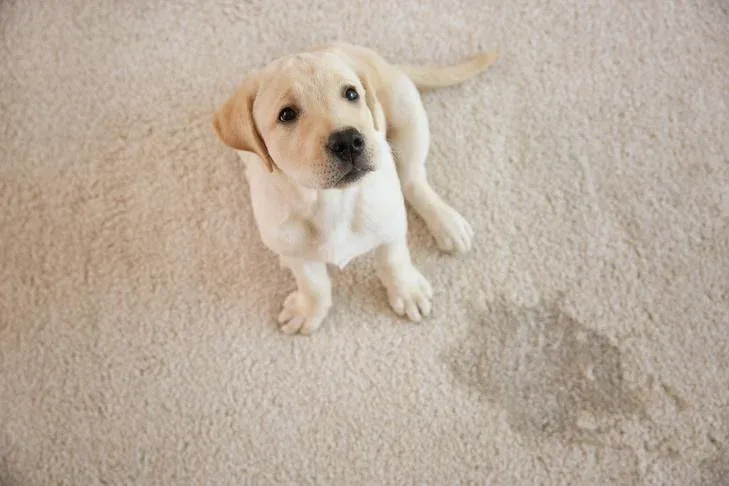
UTIs (Urinary Tract infections) in Pets:
A urinary tract infection (UTI) occurs when bacteria infect any part of a pet’s urinary system, including the bladder, urethra, or kidneys. UTIs are more common in dogs than cats, though they can affect both species. If left untreated, UTIs can lead to discomfort, serious kidney problems, or systemic infection.
Causes Of UTIs in Pets:
- Bacterial infection: Most UTIs are caused by bacteria entering the urinary tract.
- Underlying medical conditions: Diabetes, kidney disease, bladder stones, or hormonal imbalances can increase susceptibility.
- Urinary tract obstruction: Stones, tumors, or anatomical abnormalities can prevent proper urine flow, allowing bacteria to grow.
- Poor hygiene or infrequent urination: Particularly in older, overweight, or indoor pets.
Symptoms of UTIs in Pets:
- Frequent urination or attempts to urinate
- Straining or discomfort while urinating
- Blood in the urine
- Accidents in the house
- Licking of the genital area
- Foul-smelling urine
- Lethargy or loss of appetite (in severe cases)
How to Prevent UTIs in Pets:
- Ensure pets have constant access to fresh water
- Encourage regular urination; don’t let pets hold urine for long periods
- Maintain good hygiene, especially for indoor cats or dogs prone to accidents
- Feed a balanced diet that supports urinary tract health
- Regular veterinary check-ups to detect and manage underlying health conditions early
Treatment for UTIs in pets:
Treatment usually involves:
- Antibiotics: Prescribed based on the type of bacteria causing the infection
- Pain relief or anti-inflammatories: To reduce discomfort during urination
- Fluid therapy: In some cases, especially for pets that are dehydrated or have kidney involvement
- Addressing underlying causes: Stones, diabetes, or other contributing conditions may need treatment to prevent recurrence
At Home care tips for UTIs
- Administer all medications exactly as prescribed; complete the full course of antibiotics
- Encourage your pet to drink plenty of water to help flush the urinary system
- Monitor urination frequency, accidents, and any signs of blood in the urine
- Keep your pet’s litter box or outdoor potty area clean to reduce bacterial exposure
- Follow up with your veterinarian for rechecks or additional tests if recommended
Contact us for an Appointment Today
UTIs are a common concern when it comes to pets, however, but with the right knowledge and proactive approach, pet owners can navigate this condition with confidence. By staying informed and working closely with your veterinarian, the impact of UTIs in pets can be minimized, allowing pets to lead healthy and comfortable lives. To learn about our treatments or to schedule your appointment, contact Loves Park Animal Hospital at (815) 986-4445 today.